Good Gardening Practices
1. Choose disease-resistant varieties of vegetables if possible. Do not purchase vegetable transplants with yellow or distorted leaves as they may bring diseases to your garden.
Good Gardening Practices
1. Choose disease-resistant varieties of vegetables if possible. Do not purchase vegetable transplants with yellow or distorted leaves as they may bring diseases to your garden.
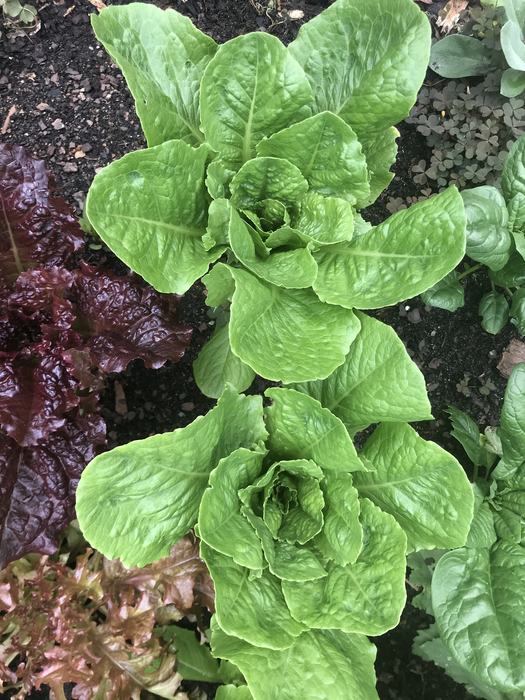
2. Test your soil to identify the pH (soil acidity/alkalinity) and any nutrient deficiencies.. Complete your soil test after applying compost, as compost often has high nutrient levels. Prepare the soil by adding lime and fertilizer at rates recommended in the soil test report This will bring your soil to a pH between 6.0-6.5 which is optimal for plant growth and nutrient uptake. Add nitrogen each year, but other nutrients may not be needed. . The soil test is free at the NCDA Soil Testing Lab between April 1 and the end of November and costs $4.00 during other months. Contact your local Extension office for information on how to get a soil testing kit.
3. Ensure the garden has good drainage, receives full sun, and, if using mulch to reduce weeds, remember plant roots need to breathe. Keep mulch to two inches deep or less and avoid touching the stems with mulch.
4. Air circulation can reduce disease pressure. Plant vegetables at appropriate spacing and stake them to keep plants upright and prevent soil from splashing on their leaves. Mulch can reduce soil splash.
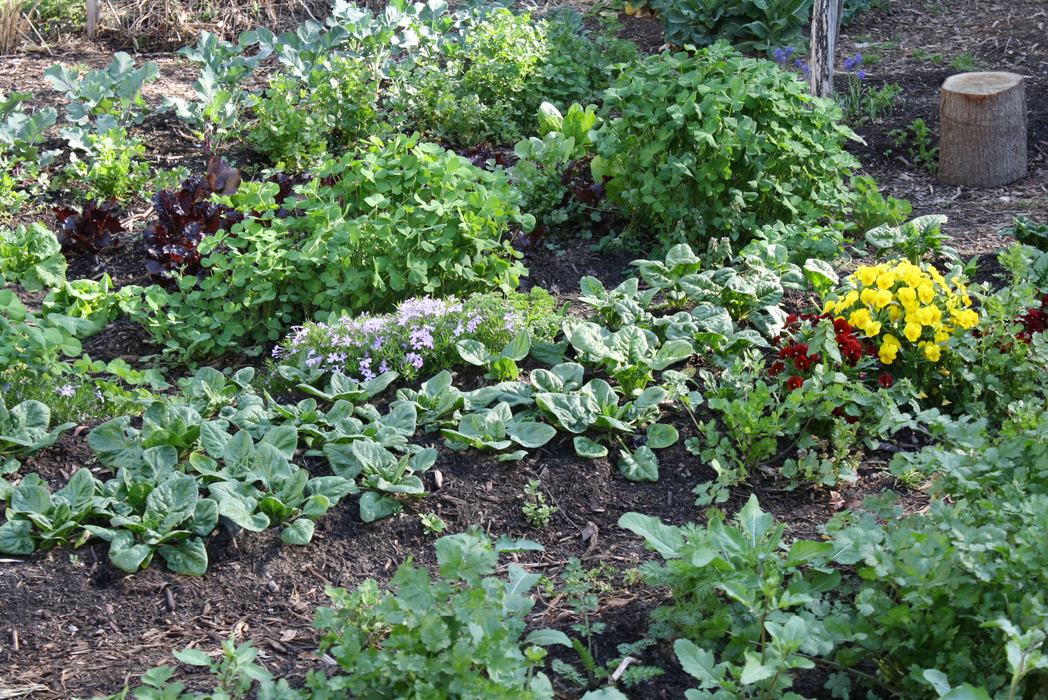
5. Avoid overhead irrigation if possible. If unavoidable, water very early in the day to reduce the time plant leaves stay wet. Maintain adequate soil moisture levels to ensure proper nutrient uptake.
6. Prevent the buildup of insect and disease problems by moving crops to a different location each year. Select a plant in a different family for that spot next year. It can be difficult in small gardens, but attempt to move families of vegetables to different beds each season or year – Solanaceae (tomatoes, eggplant, peppers), brassicas (kale, collards, broccoli), and cucurbits (squash, cucumbers, melons) are different families.
Good sanitation practices:
Visit the garden at least weekly and scout for insects and disease concerns and overall plant vigor. Yellowing older leaves on otherwise healthy plants may indicate the need for a nitrogen boost.
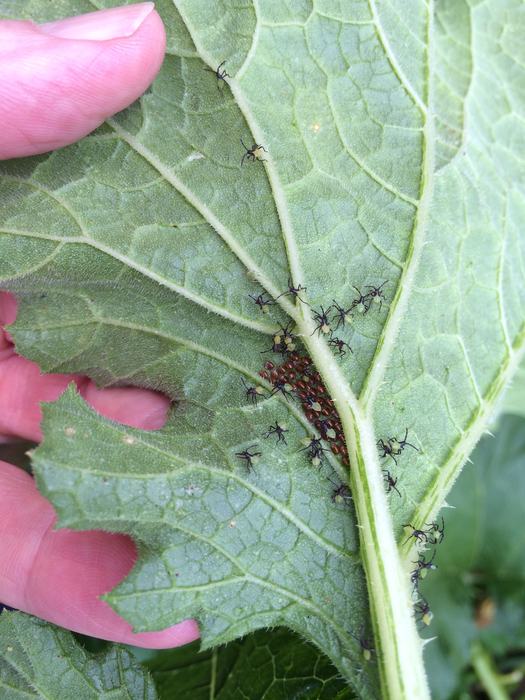
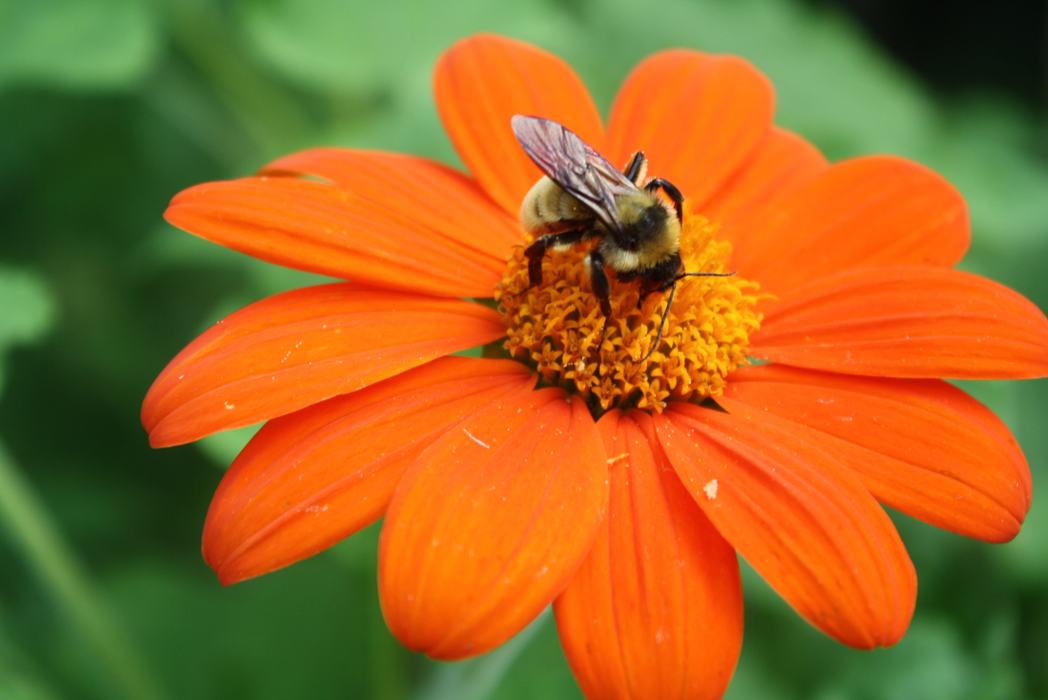
1. Insects: Look on the underside of leaves for insects or egg sacs or for evidence of insect damage on the plants. Many insects are beneficial and help keep the pests at bay, so use insecticides sparingly if at all. Learn the problem insects and their eggs and monitor levels – remove by hand if possible, or use horticultural oil, insecticidal soap, diatomaceous earth, or Bt (Bacillus thuringiensis) if needed (for caterpillars). Plant flowers that attract beneficial insects (dill, fennel, yarrow, salvias, Queen Anne’s lace, and many more!)
2. Disease: Avoid handling plants when leaves are wet. REMOVE AFFECTED FOLIAGE regularly/weekly! Prune off leaves or stems that appear diseased and dispose of them in the yard waste, not the compost pile. This is critical to reducing disease buildup in the garden. Some diseases are spread by wind and rain, others by insects, and some live in the soil. By taking away diseased leaves or plants, you are preventing the spread of the disease. When a plant is not thriving, harvest the vegetables and REMOVE THE PLANT! Try not to spread the disease yourself during handling – you can sterilize pruners with Lysol spray or alcohol. Once production is over, remove the plants so they will not harbor root diseases or pests.