One of the most frequently asked questions we receive at our Ask a Master Gardener℠ Volunteer Helpline is: "What is the grayish-green growth on the trunks of my trees and shrubs?” The answer is simpler than the explanation. Lichen (pronounced lie-ken) is the name of the fuzzy, flat, and sometimes frilly growth that gardeners find covering the trunks of woody plants. Colors can range from gray to bluish-green.
FAQ: Lichens
(Updated: April 12, 2021, 8:05 a.m.)
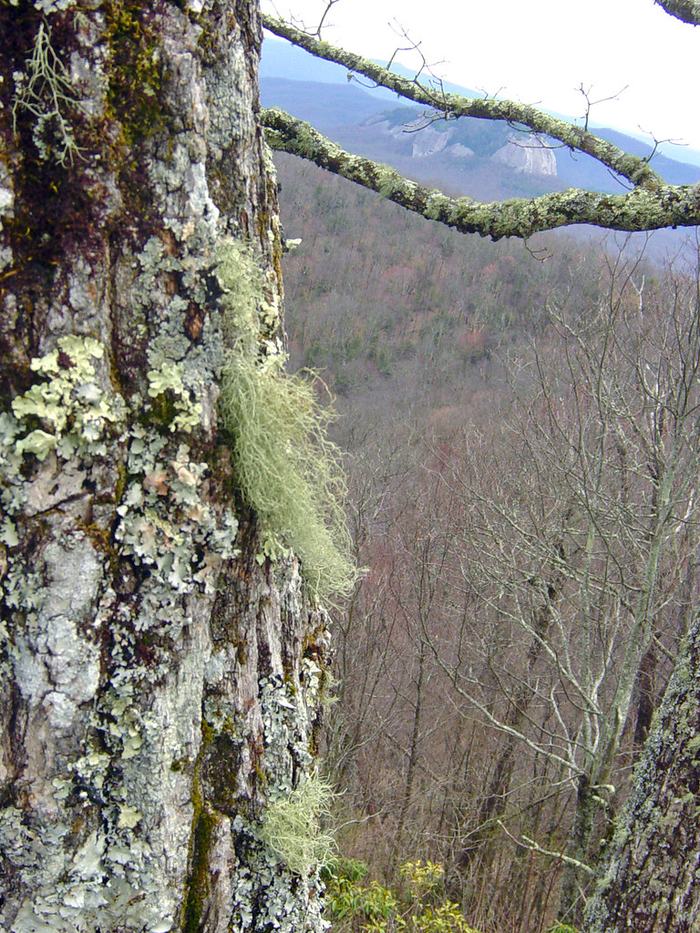
Lichens are living organisms composed of a fungus and an alga. They are found on healthy plants and more frequently on declining or stressed trees and shrubs. This may be because stressed plants grow more slowly and shed bark less frequently, and because stressed plants often experience canopy dieback allowing more sunlight to reach the lichen on the trunk. Control is not necessary. Lichens are not harmful to the plant and do not cause plant decline. Instead, stressors like age, growing conditions, and environmental influence are usually to blame for a plants’ decline.
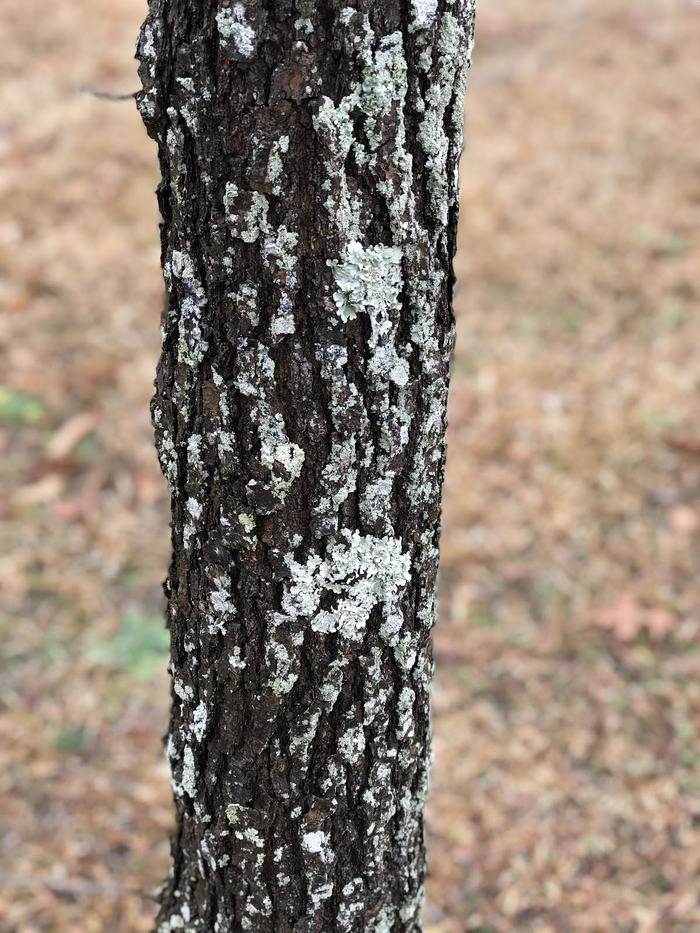
Lichens are a beneficial indicator that your plant may be under stress. Review management options to identify and reduce plant stress (nutrition, irrigation, pruning, light, etc.).
For more information on assessing plant problems, refer to the Diagnostics Chapter and Appendix C of the NC Extension Gardener Handbook